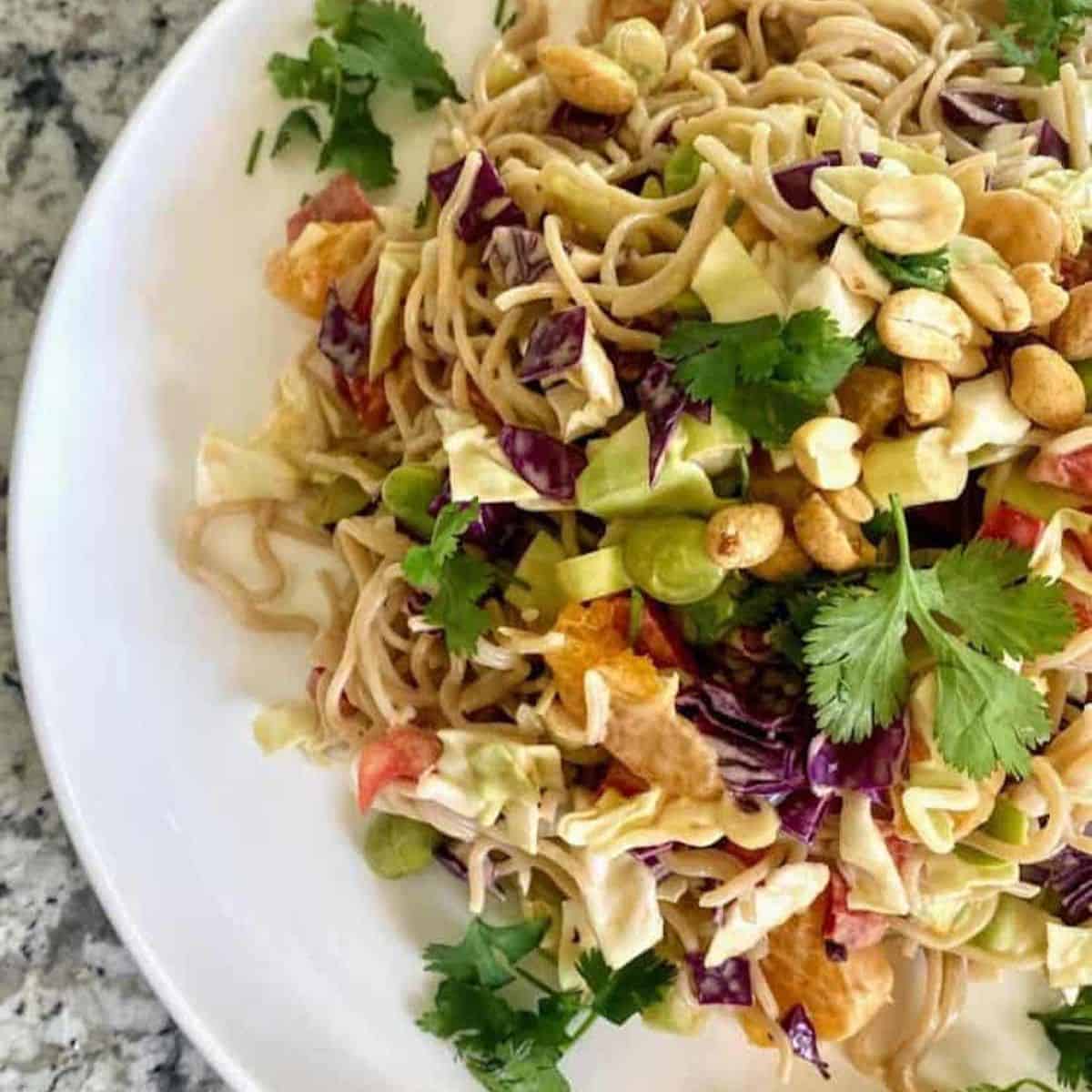
The mere mention of ramen often conjures images of steaming, savory broth, chewy noodles, and an array of comforting toppings. It's a beloved dish, a go-to for warmth and satisfaction. But what if we told you there’s a refreshing, vibrant, and equally delicious twist that’s perfect for warmer days, quick lunches, or anytime you crave something light yet incredibly flavorful? Enter the vegetarian ramen noodle salad. This innovative dish takes the best elements of ramen – the irresistible noodles – and combines them with crisp, fresh vegetables and a zesty, often umami-rich dressing, transforming it into a meal that’s both invigorating and deeply satisfying. It’s a culinary revelation that promises to become your new favorite for its ease, versatility, and undeniable taste.
The Unexpected Appeal of Vegetarian Ramen Noodle Salad
In a world where salads can sometimes feel, well, a bit too "salad-y," the vegetarian ramen noodle salad breaks the mold. It offers a unique textural and flavor experience that sets it apart from your everyday greens. Imagine the delightful chewiness of perfectly cooked ramen noodles mingling with the crunch of vibrant bell peppers, shredded carrots, and crisp cabbage. This isn't just a cold version of hot ramen; it's a completely reimagined dish designed for freshness and convenience.
One of its strongest appeals lies in its versatility. It’s a dish that effortlessly adapts to your pantry, your preferences, and the season. Unlike traditional hot ramen, which requires careful timing and broth preparation, a vegetarian ramen noodle salad is inherently forgiving and quick to assemble. It's an ideal candidate for meal prepping, allowing you to enjoy a gourmet-quality lunch without any fuss during a busy week. The dressing, often a bright blend of soy sauce, rice vinegar, sesame oil, and perhaps a touch of ginger or peanut butter, coats every ingredient, creating a harmonious symphony of sweet, savory, tangy, and sometimes spicy notes.
Furthermore, this salad often taps into a desire for healthier, more plant-forward meals. By centering around fresh vegetables and plant-based proteins, it offers a nutritious alternative that doesn't compromise on flavor or satiety. It’s a testament to how creative cooking can transform familiar ingredients into something truly extraordinary.
Crafting Your Perfect Vegetarian Ramen Noodle Salad: Ingredients & Variations
The beauty of a vegetarian ramen noodle salad lies in its adaptability. While there are core components, the exact ingredients are yours to customize, ensuring every bowl can be a unique culinary adventure.
Essential Components:
- The Noodles: Of course, ramen noodles are central. You can use instant ramen noodles (discarding the seasoning packet, or saving it for another use), or opt for fresh or dried ramen varieties from an Asian grocery store. For an extra crunch, some recipes even suggest air-frying or lightly pan-frying the noodles until crispy before tossing them in. You could also experiment with soba or udon noodles for a different texture.
- The Vegetables: This is where you can unleash a rainbow of colors and nutrients. Common choices include shredded carrots, red cabbage, bell peppers (any color!), cucumber, snap peas, edamame, and scallions. Don't be afraid to add broccoli slaw, corn, or even thinly sliced radishes for a peppery kick. The key is to aim for a variety of textures and fresh flavors.
- Plant-Based Protein: To make your vegetarian ramen noodle salad a complete meal, incorporating protein is crucial. Crispy baked or pan-fried tofu, tempeh, shelled edamame, chickpeas, or even black beans can provide satisfying bulk and nutrition. Peanuts, cashews, or sunflower seeds also add a delightful crunch and healthy fats.
- The Dressing: This is the heart of the salad's flavor. A classic choice is a sesame-ginger dressing, combining soy sauce (or tamari for gluten-free), rice vinegar, sesame oil, fresh ginger, garlic, and a touch of sweetener like maple syrup or agave. Peanut sauce dressings are also incredibly popular, adding a creamy, rich depth. Feel free to experiment with citrus (lime or orange juice), chili garlic sauce for heat, or a dash of nutritional yeast for an umami boost.
Tips for Customization:
- Seasonal Swaps: Adapt your vegetables to what's fresh and available. Asparagus in spring, cherry tomatoes in summer, roasted squash in autumn – the possibilities are endless.
- Spice It Up: If you love heat, add a generous amount of sriracha, gochujang, or red pepper flakes to your dressing.
- Nutty Affairs: Beyond peanuts and cashews, consider toasted almonds, sesame seeds, or pumpkin seeds for varied crunch and flavor.
- Fruity Twist: For a touch of unexpected sweetness and acidity, add diced mango or pineapple.
Ready to get started? Find your perfect blend of flavors and textures with our detailed instructions on an Easy Vegetarian Ramen Noodle Salad Recipe.
Health Benefits: A Nutritious Twist on a Classic
While often associated with indulgent comfort food, a thoughtfully prepared vegetarian ramen noodle salad can be an incredibly healthy and nutrient-dense meal. It offers a fantastic way to incorporate more plant-based goodness into your diet without sacrificing taste or satisfaction.
Here’s why it’s a powerhouse of nutrition:
- Fiber-Rich: Piling your salad high with a variety of vegetables ensures a significant intake of dietary fiber, crucial for digestive health, satiety, and blood sugar regulation.
- Packed with Vitamins and Minerals: Each colorful vegetable brings its own unique profile of essential vitamins (like Vitamin A from carrots, Vitamin C from bell peppers) and minerals. A diverse mix guarantees a broad spectrum of micronutrients.
- Plant-Based Protein: With ingredients like tofu, tempeh, edamame, and nuts, this salad provides ample plant-based protein, essential for muscle repair, energy, and overall body function.
- Healthy Fats: Sesame oil, nuts, and seeds contribute healthy monounsaturated and polyunsaturated fats, which are vital for brain health, hormone production, and nutrient absorption.
- Calorie Control: Compared to some traditional ramen bowls which can be high in sodium and saturated fats, a homemade vegetarian ramen noodle salad allows you to control the ingredients, making it easier to manage calorie intake and sodium levels.
Tips for Maximizing Health:
- Whole Wheat Noodles: Opt for whole wheat ramen or alternative whole-grain noodles for increased fiber content.
- Mindful Dressing: While dressings are flavorful, they can be calorie-dense. Use healthy oils like sesame or olive oil in moderation and focus on vinegar and fresh aromatics for flavor.
- Load Up on Greens: Don't just stick to the crunchy veggies; add a base of spinach, spring mix, or chopped kale for even more nutrients.
- Fresh vs. Fried: Choose baked or pan-fried tofu/tempeh over deep-fried options to reduce unhealthy fats.
For more specific guidance on making your bowl as nourishing as possible, explore our comprehensive Healthy Plant-Based Ramen Noodle Salad Tips.
Beyond the Bowl: Practical Tips for Enjoying Your Salad
The versatility of a vegetarian ramen noodle salad extends beyond just its ingredients; it also shines in how you can prepare, store, and serve it. Making this delicious dish a regular part of your routine is simple with a few smart strategies.
Meal Prep Master:
This salad is a meal prepper's dream. To keep things fresh for several days:
- Cook Noodles Separately: Cook and rinse your ramen noodles, then toss them with a tiny bit of sesame oil to prevent sticking. Store them in an airtight container.
- Chop Veggies Ahead: Prepare all your vegetables and store them in separate containers. This keeps them crisp and prevents premature wilting.
- Dressings on the Side: Always store your dressing separately. Pour it over the salad just before serving to prevent the noodles and vegetables from getting soggy. This is especially crucial for salads intended for lunch the next day.
- Protein Power: Cooked tofu, tempeh, or edamame can also be prepped and stored separately, ready to be added when you assemble your meal.
Serving Suggestions:
- Main Course: With its balanced blend of carbs, protein, and vegetables, this salad is a hearty and satisfying main course all on its own.
- Side Dish: Serve a smaller portion alongside grilled plant-based skewers, spring rolls, or a light soup for a more extensive meal.
- Potluck Perfection: Its vibrant colors and unique flavor profile make it a standout dish at potlucks and picnics. Just remember to bring the dressing separately!
- Kid-Friendly Twist: Kids often love noodles! You can make this salad more appealing to younger palates by using fun-shaped vegetables, offering the dressing on the side for dipping, and letting them choose their favorite crunchy toppings.
From a quick desk lunch to an impressive dinner party contribution, the vegetarian ramen noodle salad adapts effortlessly, proving its worth as a truly indispensable recipe in your culinary repertoire.
In conclusion, the vegetarian ramen noodle salad isn't just a trend; it's a testament to how creative, plant-forward cooking can transform familiar ingredients into something truly extraordinary. It offers a refreshing escape from traditional hot meals, providing a burst of fresh flavors, delightful textures, and significant nutritional benefits. Whether you're a seasoned vegetarian, looking to incorporate more plant-based meals into your diet, or simply searching for an easy, delicious, and healthy meal solution, this vibrant salad promises to deliver. Its unparalleled versatility, ease of preparation, and incredible taste make it more than just a salad – it’s a culinary experience waiting to be discovered, and undoubtedly, your new favorite meal.
